Selling A Home With Pets

You love your pets, but not everyone else does. Some people have allergies, while others may be afraid of animals. They may not be familiar with all the smells and shedding from pets. A first impression is very important for potential buyers, make sure you make the best one you can.

Now that you are getting ready to show your home, what do you do about staging your home when it is occupied by your pets, their scents, their shedding, and their items? For an open house, you might ask your friends and relatives to watch your pets or you may wish to board them at a kennel while you have scheduled open house showings.

Here are some other tips to help you to prepare for an open house or a showing when you have a pet in the home:

  • Put your pet(s) in an inside, safety gated area, or outside, if weather allows.
  • Give your home a thorough cleaning, especially the areas your pet occupies the most.
  • Put away any clawing trees, chew toys, etc., when you’re showing your home.
  • If you have carriers or cages, keep those well-hidden.
  • Clean all pet food bowls and dishes or put them away.
  • Vacuum all areas where there are traces of fur, including drapes, couch pillows, carpets, and rugs.
  • Empty garbage baskets and spray the inside with deodorizer.
  • Scrub and clean any fish tanks or hamster cages.
  • Open all the windows to circulate clean air in your home, if you have a strong pet smell consider a candle or deodorizer.

Now that you have removed all marks of your loved pets’ loose fur and pet-related items, check the outdoors surrounding your home. If the lawn is sprinkled with dog droppings, it is crucial to pick them up and dispose of them. There is nothing worse than a prospective buyer coming up the front walk and stepping in your dog’s mess!

Ready to sell your home? Contact an experienced realtor HERE that can give you all of the information you need to get your house on and off the market quickly!

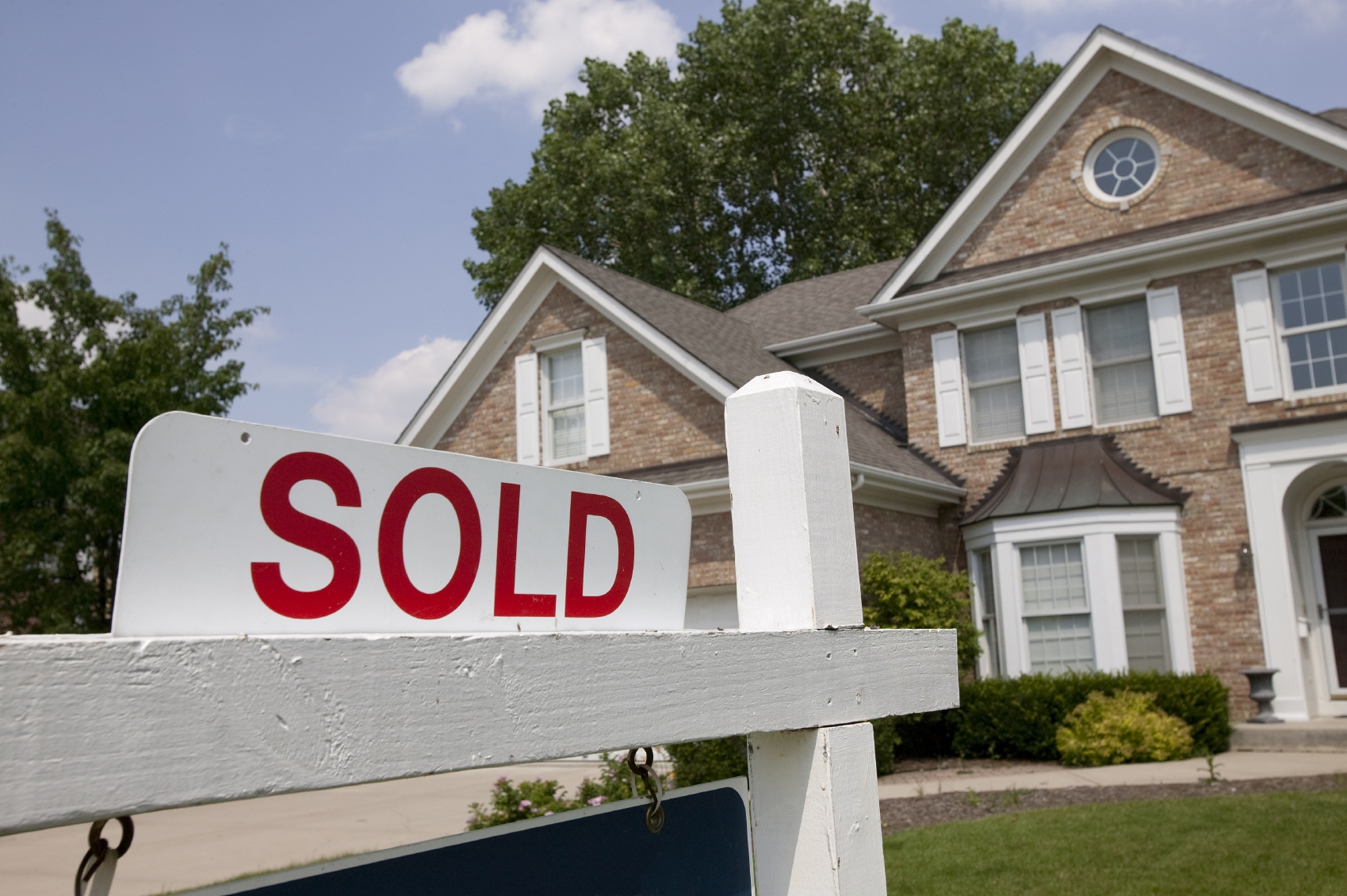
How to Get a House Ready to Sell

1. Un-Personalize

People want to envision what their life would be like in a potential home, so remove pictures and other items that are specific to your family. Keep your house clean and put any essentials in an accessible box. Also, remove or replace any built-in items that you want to take with you like chandeliers.

2. De-clutter

Go through each room and trash or donate what you don’t need anymore to minimize spaces. Clear off all nightstands, coffee tables, kitchen counters, etc. If you have more items than space to put, consider renting a storage unit.

3. Organize

The more organized a house looks the more appealing it is for buyers, including inside closets and cabinets. A good tip is to align all of the items in your kitchen and bathroom cabinets to make any cluttered space a little cleaner. If you have a collection of CDs or DVDs, alphabetize or color-code them. Make sure all of your closets are organized as well.

4. Repair

If you have a room that you painted a loud color, paint over it with a neutral one. Check all sinks and toilets to make sure they’re in working order. Focus on details like addressing doors that crack or drawers that jam.

5. Clean

Cleaning your home before you list it can make all the difference in selling your home faster. Wax wooden floors and steam carpets to make your home glow. Try to vacuum your house daily while it’s on the market. Dust furniture, fixtures, and any hard to reach places. In the bathroom, re-caulk around the tub and sink. Polish any metals in the bathroom and kitchen.

6. Spruce Outside

The exterior of your home is a buyer’s first impression, make sure you mow and maintain your lawn. Also, trim shrubbery and plants around the house. Finally, clean your windows and pressure wash the driveway.

If you apply all of these steps before listing your home, it will make selling a much smoother and quicker process. These tips will make your home more appealing to potential buyers. To list your home and learn more, contact a professional realtor here.

5 Tips to Help Sell Your House Faster

As soon as you decide to sell your house one of the first questions people ask is “How long will it take to sell?” Many people base estimated time off of how long it took your neighbors to sell their home, but that’s not necessarily true, there are many factors that can determine how fast your home will sell. To get your home on and off the market as fast as possible, follow these five important steps.

1. Update Your Landscaping

When a potential buyer comes to your home the first thing they will see before they enter the house is your front yard. Give buyers something to remember by having updated and clean landscaping. Homebuyers can become attached to a home quickly if there’s a positive first impression.

2. Consider Moving Out or Staging Your Home

One of the realities of real estate is that vacant homes sell faster than occupied homes. If you can’t move into your new home or stay at another location, do your best to remove personal artifacts and stage your home.

3. Add New Paint and Flooring

When you walk on the same floors every day, it’s easy to feel as though your floors are good enough, but you need to compare them to other homes on the market. If other properties in your price range have new flooring and paint, consider making this a priority because those homes could get purchased before yours.

4. Price It Right the First Time

There are three huge factors that sell homes: price, location, and condition. Out of these three points, the price is the most critical factor. People can look over a home’s condition and location if the price is right. People can also scan past your property listing if the price is wrong.

5. Hire a Professional Realtor

When people try to sell a home on their own, there’s always a greater chance for something to go wrong or just not go right. Professional realtors have knowledge and experience that can help you set the right price and stage your home correctly for buyers. If you want to sell your home fast, this is the best way to do it.

If you need help selling your home in the Seminole County area, simply contact us here.

Checklist of Everyone You Should Notify When You’re Moving 

When you’re preoccupied with important moving tasks, it’s easy to forget about notifying important people and institutions of your upcoming move and change of address. Failing to let all the right people know about your move can cause future hassles and troubles with your mail and accounts. Make moving easier by using this checklist of everyone you need to contact when moving.

Family and friends

Naturally, your relatives and close friends should be the first to know that you are about to move into a new house, if you’re moving somewhere nearby you can ask for their help with the moving process.

Current employer

Unless you’re relocating to a different branch of your current company, you should inform your employer about your decision to move and leave your job as early as a month in advance. Remember that your old boss will need your new address to send you tax documents and insurance information at the end of the year.

Landlord

If you live in a rental home, you should carefully review your tenant rights and responsibilities contained in the lease agreement. You will probably be required to notify your landlord of your intentions to move out at least 30 days in advance.

Postal services

Changing your address with the United States Postal Service should be among your top priorities when moving to a new house, as it will help you avoid many troubles and inconveniences. To have your mail forwarded to your new place you only need to fill out a change of address request at your local post office or at the USPS official website.

Utilities

To prevent service lapses and past-due bills you need to inform your service providers about your relocation plans. Arrange for the utilities at your old home to be disconnected on moving day, and have them reconnected at your new residence by the time you move in.

DMV

When you move out of state, you’ll have to transfer your driver’s license and update your vehicle’s registration and insurance within a short time frame.

Government agencies

Be sure to update your address with the local office of the Social Security Administration, the electoral register, and other relevant institutions.

The IRS

The Internal Revenue Service will need your actual home address to mail your tax return, fiscal notes, and other documents. Print out and mail in the IRS’ Change of Address form soon after your relocation.

Financial institutions

To keep your finances in order, you must update your bank accounts and inform credit card companies, stockbrokers, and other relevant financial institutions of your new address either prior to or shortly after your move.

Insurance companies

The insurance agencies that provide your life, health, and homeowners insurance policies should have your current address on file.

Most of these can be changed relatively easy and in most cases, you will be able to change your mailing address online or a simple phone call. If you need more advice for moving or are looking to move and need help with the next step you can speak to a professional realtor here or call (407) 493-0719.

18 Fun Facts about Orlando, Florida 

Thanks to having sunny weather year-round, a high quality of life and major attractions, Orlando is a well-known city. Despite its status as a recognizable city, there are many features about Orlando that aren’t well known. Take a look at our list of 15 fun facts about the City Beautiful!

1. Four origin stories for how Orlando got its name exist but there’s no official documentation on it, and a conclusion has still yet to be reached.

2. Orlando has plenty of waterfront property because it is home to more than 100 lakes.

3. Lake Eola is actually a giant sinkhole, the deepest point is 80 feet.

4. Church Street Station, also known as the Old Orlando Railroad Depot, was built in 1889 and is listed on the National Register of Historic Places. SunRail now has a stop nearby.

5. The City has over 100 parks and 21 community center’s offering athletics, camps and social programs.

6. The first highway in Central Florida was Colonial Drive and it was originally a paved brick road.

7. There are over 50 swans at Lake Eola, there are five different breeds – whooper, trumpeter, royal mute, Australian black and black neck.

8. Orlando was the original main hub of Florida’s citrus industry after a disastrous freeze in the 1800s forced farmers to move their citrus crop south.

9. The fountain at Lake Eola’s actual name is the “Linton E. Allen Memorial Fountain.” The fountain is noted as the “official” symbol of the City of Orlando.

10. The Hamburger Mary’s on Church Street downtown was once known as “Bumby Hardware Store” built by Joseph Bumby, an original pioneer and settler in Orlando.

11. More than 66.1 million people visited Orlando in 2015.

12. The largest public library building in the state of Florida is the Orlando Public Library with 290,000 square feet.

13. The Citrus Bowl was the site of five 1994 World Cup soccer matches and also hosted the 1996 Olympic soccer first and second rounds.

14. The Orlando Wetlands, located in east Orange County, is home to over 30 species of wildlife that are listed on the Florida Wildlife Conservation Commission’s Threatened and Endangered Wildlife list.

15. In 1986, months before Orlando was awarded an NBA franchise, a contest was held in the Orlando Sentinel for readers to submit a pick for the name of the City’s future basketball team and the finalists were the “Tropics,” the “Juice,” the “Heat” and the “Magic.”

16. Orlando’s City Hall has two free art galleries that are open to the public year round.

17. The Wells’ Built Hotel located in Parramore was a historic hotel now turned into a museum of African American history. Famous celebrities who visited the hotel include B.B. King, Ray Charles, Thurgood Marshall, and Jackie Robinson.

18. The City of Orlando has had various nicknames over the course of the city’s history, including City Phenomenal and City of Light. Orlando is currently known as The City Beautiful.

Orlando has a lot to offer and is a great city to move to. Learn more about recent listings and other perks of living in Orlando by contacting a knowledgeable and professional realtor here.

Home Buying: 10 Steps to Success Part 2

Home buying doesn’t have to be as difficult as it’s made out to be as long as you have the right realtor giving you guidance and the right information along the way. To read the first part of this article click here.

Step 6: Make an offer

Once you’ve found a home you want, your agent will work with you to craft an offer. Remember that the listing price is just a starting point. Your agent will understand the market and guide you to make the most attractive offer, whether it’s below, at or above the listing price.

Step 7: Home inspection day

If your offer calls for a home inspection, this is going to be a big day. You will have the chance to have a home inspector look over the home to make sure there are no unseen defects you want to negotiate to have fixed. It’s also the most time you’ll get to spend in your new home until closing, so start planning and taking measurements for your move-in.

Step 8: Get insurance 

If you already own a home, you can quickly call your insurance agent and let them know you’re buying a new home. They will handle writing a new policy. If you don’t have an insurance agent, now’s the time to find one because your lender will require homeowners insurance. Even if you don’t have a mortgage, insurance is a critical part of protecting your investment.

Step 9: Closing day

This is the most important day before moving in and will involve a lot of paperwork. You’ll sign and read papers then sign and read papers even more. But remember though you’re just sitting around a table, you’re finally nearing the finish line.

Step 10: Get your keys and move in!

You did it! Your sale contract will specify when you get to move in. Sometimes it’s by a certain time on the day you sign closing papers. Sometimes possession happens a few days after closing. Whenever it is, you’ve just gone from home buyer to homeowner.

For more information on how to get the home buying process started, contact a realtor here that will work with you to make sure every step is covered. You can sign up for our FREE homebuyers handbook here.

Home Buying: 10 Steps to Success Part 1

You’ve thought it through and made the decision to buy a home. It can be a complicated, stressful process. But having the right realtor on your side that lets you know what to expect, can make finding your way to your new home easier. To help, here are ten steps involved in the home-buying process.

Step 1: Check your credit report and score

Before you get started, check your credit report. Having this on hand before you talk with a lender gives you a chance to dispute any errors in the reporting. The higher your credit score, the lower the interest rate on your mortgage.

Step 2: Figure out how much you can afford

Better yet, decide how much you’re willing to pay. Just because you can qualify for a larger mortgage doesn’t mean you want to have that kind of payment each month. Use a mortgage calculator to help determine what you can afford.

Step 3: Find a real estate agent

This person is your lifeline through the process. Your realtor is your chief advocate, hand-holder and confidante in this process so you want to find a good fit. Click here to contact one now.

Step 4: Get pre-approved by a lender

It’s a smart move to get pre-approved for a loan early in your home search. Pre-approval requires the lender to pull the credit information (see Step 1) and assess your financial situation. The lender will send you a letter that says the amount they are willing to lend you.

Step 5: Start looking at homes

By now you’ve talked things over with your agent and you both know what you really want and need out of a home. Armed with this, your price range and knowledge of the local area, look at listings online and with your agent, who will come up with properties for you to tour.

To read the continuation of this article, click over to Part 2 here. If you’re ready to contact an informative and experienced realtor for more information click here or take a look at our FREE homebuyers handbook here.

5 Real Estate Terms Everyone Should Know 

Having a basic understanding of important real estate concepts before you begin the home buying process will give you peace of mind now and could save you a fortune in the future. Here are five real estate terms you should know before looking for a home.

1. Buyer’s Agent vs. Listing Agent

Listing agents already have an established relationship with the Sellers.  Their duty is to sell the house in the quickest amount of time and for the highest price possible. It is better for Buyers to find a realtor who will work for their best interests and do their best to get the best price for the home.

2. Fixed Rate vs. Adjustable Rate Mortgages 

Conventional loans cover “fixed rate” and “adjustable rate” mortgages. A fixed rate mortgage has a set interest rate throughout the length of the loan; the most common typically last for up to 30 years. An adjustable rate mortgage has a variable interest rate; the most common being for 5, 7, or 10 years.

3. Pre-Approval Letter

Before you apply for a mortgage or before you even start looking for a home, you should receive a pre-approval letter from the bank. The letter is an estimate of how much the bank is willing to lend you. This is a huge help in determining what you can afford and ensures home sellers that you will be able to get a loan when needed.

4. Closing Costs

When you finally purchase your home, prepare yourself for several closing fees. Typically, closing costs will amount to 2-5% of the purchase price of the home, and that doesn’t include the down payment. Typical fees include excise tax, loan processing costs and title insurance. For more specific information on closing costs, contact your real estate agent.

5. Title Insurance

After all the negotiating is done and the seller has accepted your offer, you should receive a home title report in approximately a week. Mortgage lenders usually require you to pay title insurance as part of the closing costs; title insurers search the public records to make sure the seller has access to the title and that there are no liens on the home.

For more real estate terms and tips, you can sign up to receive our FREE home buyers guide here. If you still have questions or are ready to start touring homes, contact us here or call 407-493-0719, we would be happy to help.

How To Sell Your Home Quickly

If you want to ensure a speedy sale, it’s good to make an excellent first impression and set your home at the right price. But what else can you do to bring in more offers faster? Here are our 4 tips that will help you sell your home quickly.

Price it right in the start.

Many people start their asking price high then lower it later, but that can result in a slower sale. The first thirty days of your house being on the market is when you will see the most activity.

Upgrade your curb appeal.

Driving up to a home and walking in the door is the first thing a prospective buyer will see. Make sure it’s a good one, whether it’s planting flowers, replacing the mailbox, or adding new sod, it will set a better expectation of what’s inside.

Stage unused rooms how they could be.

If you have an odd room like an alcove of the kitchen, stage it as an office or a pantry to help buyers see how they can maximize any space in your home.

Make yourself available.

The more flexible you can be about visits, the more people can see your home. Make yourself available outside of the typical nine to five, on weekends, or with little notice.

Another great way to sell your home fast is to have a knowledgeable and experienced realtor on your side. Contact Anne-Marie Ferraro here or call 407-493-0719 for more information and help to get your home on and off the market quickly.

The Best Ways to Enjoy Nature in Seminole County

Want to discover or even rediscover the natural beauty that Seminole County has to offer you? Here are a few excellent places to explore the outdoors and enjoy Fall in Florida.

Little Big Econ: The Econlockhatchee River has sandbars, dramatic banks, streams, and currents, as it gains full strength before flowing into the St. Johns River. The state forest has beautiful trails that are guided along the Econ. Kayaks and canoes can also be launched at Snow Hill Road.

Wekiva River: The Wekiva River runs throughout Seminole County and through Longwood, it’s one of the top outdoor destinations in Central Florida. The river is connected to Wekiva Springs as well, here the entire family can enjoy swimming, hiking, kayaking and canoeing.

Cycling: This nearly 14-mile trail is designated as one of Seminole County’s showcase trails and is even a must for casual cyclists. The section of the trail that runs west of the I-4 trail overpass to the County line at the Wekiva River is also a designated part of the Florida National Scenic Trail.

Hiking: The Geneva Wilderness Area is a 180-acre site that offers trails for biking and hiking, a fishing dock, and a small waterside chapel for ceremonies. The Ed Yarborough Nature Center located on-site features exhibits and displays that highlight the diverse ecology of Central Florida.

Seminole County is a great place to live and to embrace Florida’s natural attractions. Want to move to Seminole County or learn more about the area? Contact us here or call (407) 493-0719.